
The Science Behind Why Massage Makes You Feel So Good
Have you ever walked out of a massage session feeling like a brand-new person, lighter, calmer, almost floaty? You're not imagining it. The benefits of massage therapy are deeply rooted in biology, and what's happening inside your body during a session is genuinely fascinating. Whether you're a regular at the spa or curious about booking your first appointment, understanding the science makes the whole experience even more meaningful. Let's break it down in plain English.
Your Brain on Massage: The Feel-Good Hormone Flood
The moment a massage therapist's hands start working on your muscles, your brain kicks into action. It begins releasing a cocktail of neurochemicals that are responsible for that blissful, relaxed feeling you know and love.
First up: serotonin, your body's natural mood stabilizer. Research from the American Massage Therapy Association (AMTA) shows that massage therapy can increase serotonin levels by up to 31%. That's a significant bump in the chemical that keeps anxiety at bay and helps regulate your sleep cycle.
Then there's dopamine, the reward molecule. A good massage session can raise dopamine by roughly 29%, which explains why you feel such a deep sense of satisfaction afterward. And let's not forget oxytocin, often called the "bonding hormone." Touch, even in a professional therapeutic setting, naturally triggers its release, making you feel connected, safe, and at ease.
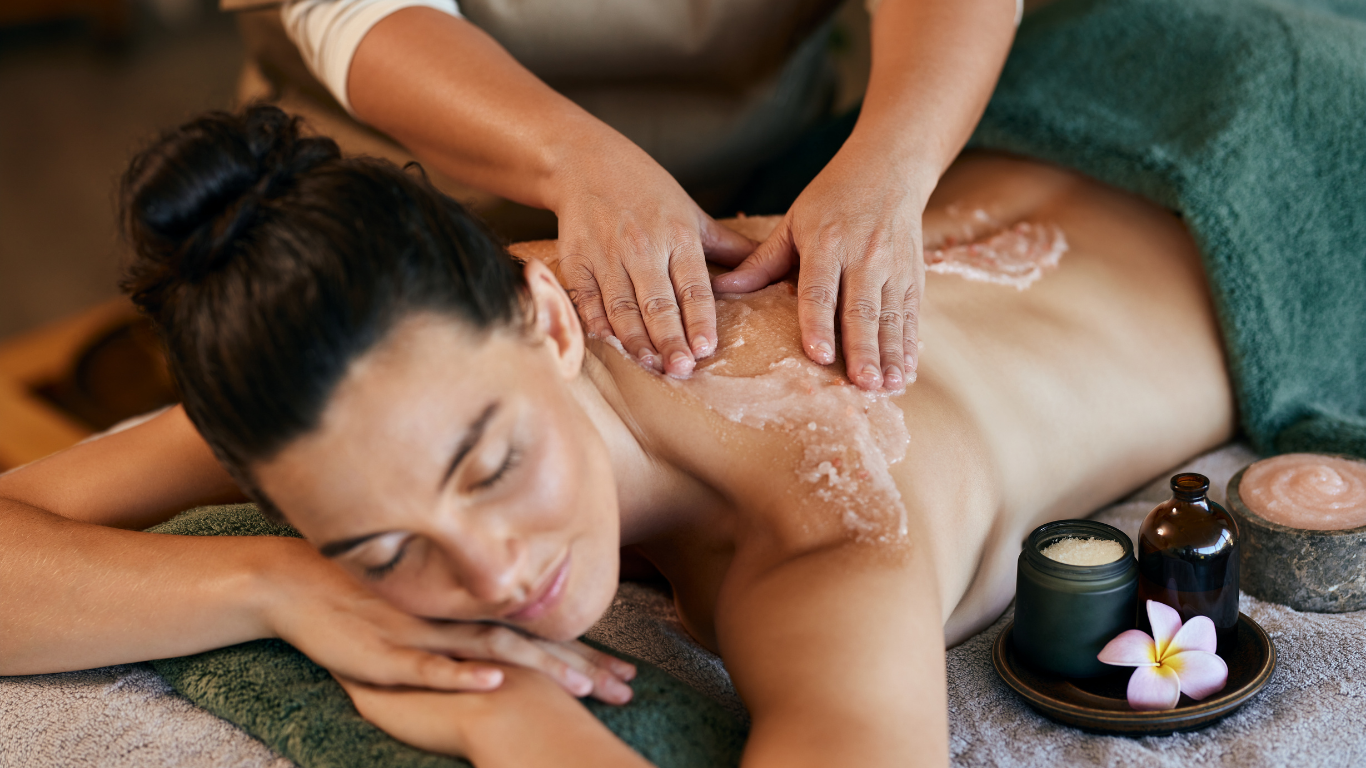
Your Nervous System Gets a Reset
Here's where things get really interesting. Your autonomic nervous system has two modes: the sympathetic (fight-or-flight) and the parasympathetic (rest-and-digest). Most of us spend way too much time stuck in fight-or-flight, modern life.
Massage is one of the most effective tools for flipping that switch. Slow, intentional pressure activates your parasympathetic nervous system, dropping your heart rate, slowing your breathing, and telling every organ in your body: it's safe to relax now. This is why even a 30-minute session can feel like you've been on a mini vacation.
Did you know? A study published by the National Institutes of Health (NIH) found that a single 45-minute massage session significantly reduced cortisol levels, the primary stress hormone, by an average of 28% in participants.
What's Actually Happening in Your Muscles and Circulation
Beyond the brain chemistry, the benefits of massage therapy extend deep into your physical body. When pressure is applied to muscle tissue, a few powerful things happen simultaneously.
Blood flow increases significantly to the massaged area. This improved circulation delivers fresh oxygen and nutrients while flushing out metabolic waste products like lactic acid, which is exactly why a sports massage after a tough workout helps your muscles recover faster. If you've been dealing with chronic tension headaches or stiff shoulders from sitting at a desk all day, this is the mechanism that provides such sweet relief.
Fascia: the connective tissue that wraps around your muscles also plays a huge role. Over time, stress and poor posture cause this tissue to tighten and restrict movement. Skilled therapeutic massage gently releases these restrictions, restoring range of motion and reducing that nagging sense of tightness.
Better Sleep and a Stronger Immune System? Yes, Really.
Two of the most underrated benefits of massage therapy are the effects on sleep quality and immune function and both are backed by solid research.
The serotonin released during massage is a direct precursor to melatonin, the hormone your body uses to regulate your sleep-wake cycle. More serotonin during the day means more melatonin at night, which translates to deeper, more restorative sleep. Many clients at Impression Spa tell us they sleep better the night after a session than they have in months.
On the immunity front, studies have shown that regular massage increases the activity of natural killer cells white blood cells that defend your body against viruses and even cancer cells. The cortisol reduction is a big part of this story too, since chronically elevated cortisol directly suppresses immune function. Lower stress = stronger immune defense. It's that simple.
The Mental Health Angle Nobody Talks About Enough
Let's be real: mental health is physical health. Anxiety, depression, and chronic stress all show up in the body tight jaws, hunched shoulders, shallow breathing, upset stomachs. The benefits of massage therapy work in both directions: treating the physical symptoms helps ease the mental load, and calming the nervous system gives your mind the space it needs to decompress.
For those managing anxiety, the rhythmic, predictable nature of massage creates a grounding effect that can be genuinely therapeutic. And for people who feel isolated or touch-deprived, something more common than we talk about, therapeutic touch from a skilled practitioner provides a form of human connection that has measurable psychological benefits.
At Impression Spa, our licensed therapists understand this deeply. Whether you're coming in for a couple's massage to reconnect with your partner, or booking a solo session because you've been running on empty, the experience is designed around your wellbeing, body and mind.
How Often Should You Be Getting the Benefits of Massage Therapy?
According to the Mayo Clinic, once a month is a solid baseline for maintaining the stress-reduction benefits of massage but people dealing with chronic pain, anxiety, or athletic recovery often benefit from bi-weekly or even weekly sessions. The effects are cumulative: each session builds on the last, deepening the physical and neurological benefits over time.
If you're new to massage therapy, we always recommend starting with a full body session to get a comprehensive read on where your body holds tension. From there, our therapists can recommend a personalized approach.


